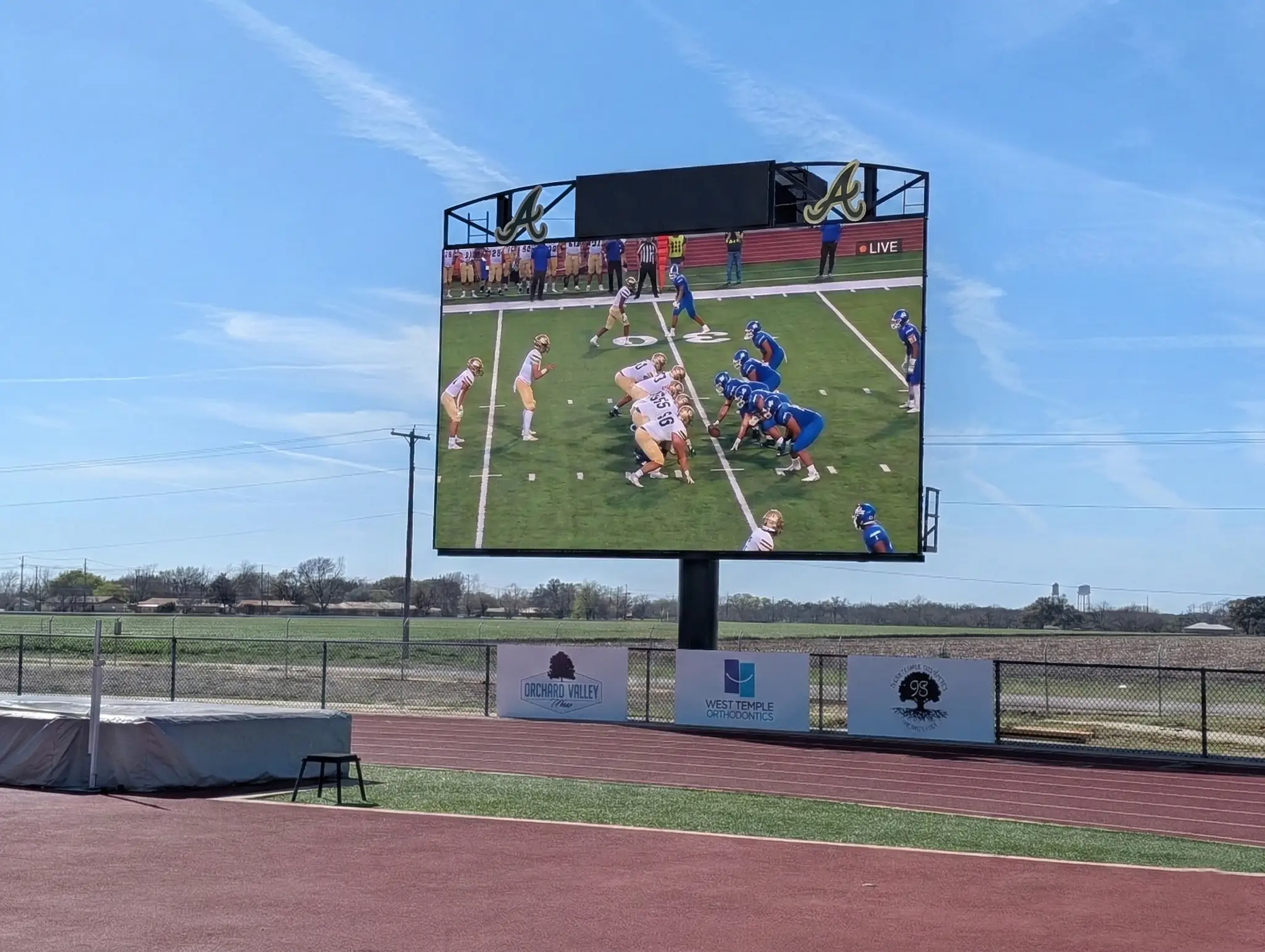
When you are comparing LED displays, it is easy to get fixated on the sales pitches from reps with spec sheets and renderings to make your buying decision. Sales people love talking about pixel pitch, brightness (nits), and refresh rates. But seasoned A/V professionals know that the long-term success of an LED wall isn't determined by how it looks on Day 1 - it's determined by how it looks on Day 2,555 (7-year indoor) and/or Day 4,015 (11-years outdoor)
In the LED industry, the word "warranty" is a catch-all term that often hides a massive variance in value depending on who you select. An "11-year" warranty from Company A might be the gold standard that protects you and saves you money through the life of your screen, while the same claim from Company B might just be a promise to mail you new spare parts.
So how do you tell the difference between who is for real and who isn't? If you want to protect your capital investment, you need to look past the duration of the coverage and scrutinize the execution and ability to deliver on SERVICE. Here is our playbook you should be incorporating to help ensure your screen isn't left in the dark!
The "Parts Warranty" vs. "Service Plan" Gap
- The single biggest misconception is equating a parts warranty with a service plan.
- Parts Warranty - the manufacturer promises that if a component fails due to a defect, they will replace or repair that part. This is the standard.
- Questions you need to ask:
- When a part does fail (and it will), who is paying for the on-site service?
- What repairs in field are actually covered during the warranty, not just for the parts replacement, but also the labor?
- Is my warranty bench repair or on-site service?
- When fixing a faulty part on the screen, who is going to pay for the heavy equipment required to get access to the screen?
- When faulty parts have been replaced, how do you make sure they get shipped back to the manufacturer? Who covers the expense? US based or foreign location makes a big difference on return times.
- The Strategy - A "parts only" warranty usually leaves you responsible for the labor. Oftentimes with equipment being required to access the screen, a free unit replacement is useless and even puts you at risk if the work is done by a non-certified technician.
Spare Parts Batch Match - the key to long-term screen preservation
- In the world of LED, you cannot simply buy a replacement module off the shelf three years later. REMEMBER- your warranty is as good as your spare parts package.
- The Magic Number (Our recommendation) - most manufacturers include spare parts equal to 1-3% of their total module count. For critical installations, that number should be higher. 5-7% spare parts may be expensive, but it the best insurance policy money can buy.
- What's Inside: spare parts shouldn't just include modules, it should also include receiving cards, power supplies, hub boards, masking cables and potentially rigging gear.
- The Strategy - you must negotiate your spare parts upfront. If you don't buy enough spares from the original batch, you risk having a video wall that looks like a checkerboard or will require a very costly batch matching fee that will never quite be perfect.
The Technician Pool: Who and how fast?
- When a screen goes down, the clock starts ticking. In sports venues and entertainment, downtime can result in revenue loss or people getting fired.
- You need to vet not just the company when deciding who to partner with, but what access to consistent technicians are available to you with the following questions:
- Manufacture vs. third-party:
- Does the manufacturer have their own W-2 employees in their region, or do they subcontract it all out to a third-party network?
- Service level agreement - speed is the name of the game. A standard warranty might not have a time guarantee, but if your project is big enough you should consider mandating it. Premium partners will deliver on this guaranteeing a technician with 24-48 hours max.
- Deployment capability - ask directly if that LED wall fails on the biggest game of the year, who do I call and who will answer?
Read the Fine Print: Service Claim vs. Non-Service Claim
- Not every hardware failure will be a warranty claim. Understanding this difference prevents billing disputes later and helps protect you.
- Pixel policy - almost no warranty covers "zero dead pixels". There is usually a threshold (e.g. less than 0.01% failure rate). Be sure to know this number.
- Environmental exclusions - if you are near the ocean, standard warranties may be voided by salt corruption, high winds unless you purchase certain grading of cables or order the right IP rated screens.
Understanding Costs Post Labor Warranty
- Spare parts coverage ensures your hardware stays functional, but understanding what happens when your labor warranty expires is the only way to ensure you don't spend more on service than you did on your initial purchase.
- You need to calculate the total cost of ownership, not just the purchase price. To avoid a sticker shock down the road, ask your screen provider:
- Can you provide a rate card for out-of-warranty service? Don't just ask for a generic hourly rate. Ask for the estimated costs of the most common on-site visits all-in (module, PSU swaps). You need to understand the full expense.
- Do you offer extended warranties to lock in fixed costs? Budgeting for variable maintenance costs is difficult. Ask if you can purchase an extended service agreement now to lock in a fixed rate for the duration. This turns an unpredictable expense into a predicted capital expenditure.
- What situations are considered billable travel vs. standard service?
In Conclusion
A cheap LED screen with a weak warranty is the most expensive screen you will ever buy. When you are vetting partners, look the ones who talk about their service department as much as their product features. The right partner provides a clear plan, includes plenty of spare parts and provides a clear path to a trusted technician.
.png)